Energy-Efficient Skylights: Cut Expenses and Brighten Your Living Space
Skylights offer a reliable strategy for boosting energy conservation in residential spaces. By maximizing natural light, they can considerably lower the need for artificial lighting, resulting in decreased energy bills. Furthermore, their construction can enhance ventilation and temperature regulation. However, those considering installation should evaluate several aspects before moving forward with the project. What qualities are necessary for peak efficiency, and in what ways do they affect total energy reduction? Examining these considerations can lead to informed decisions.
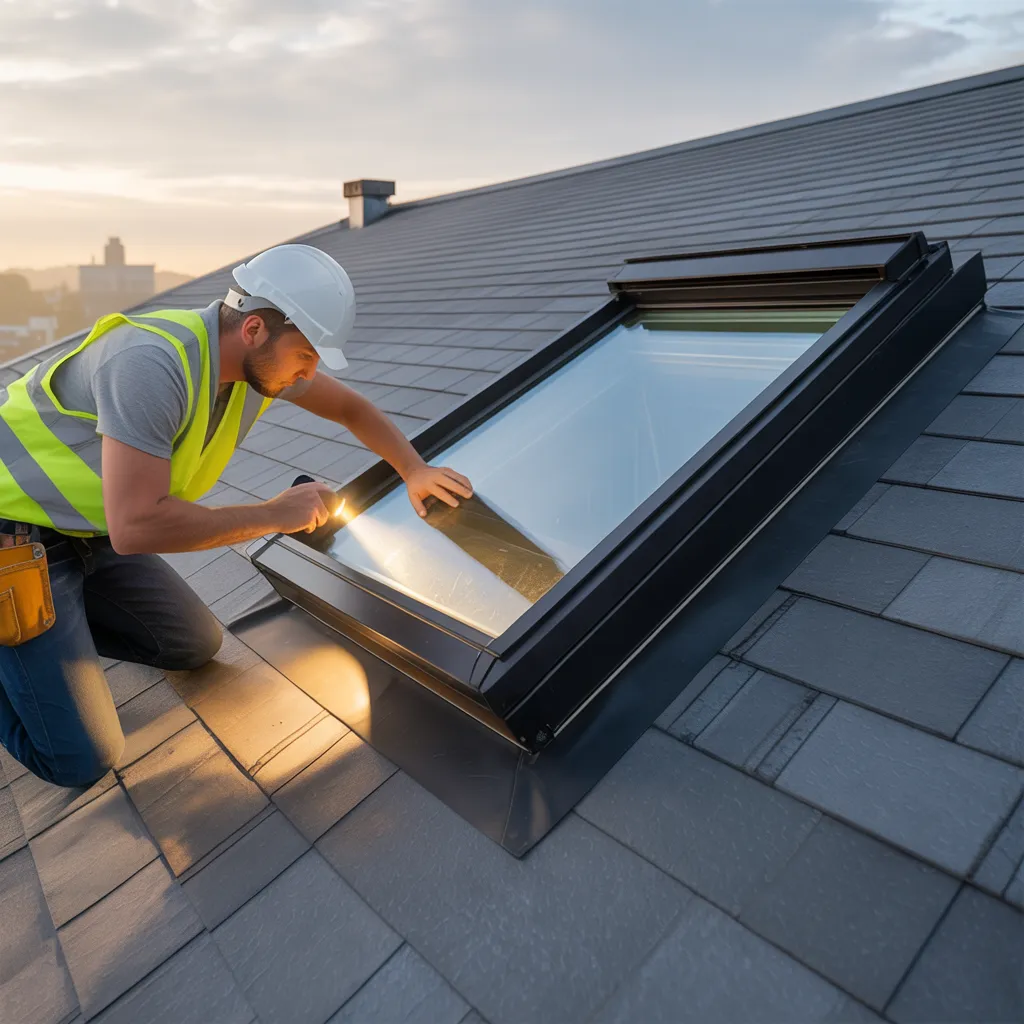
How Skylights Can Lower Your Energy Bills
Skylights brighten interiors while significantly lowering energy expenses. By allowing natural light to flood interiors, they decrease reliance on artificial lighting, which can lead to significant savings on electricity bills. Moreover, thoughtfully installed skylights can boost ventilation, permitting warm air to dissipate in the summer and minimizing reliance on air conditioning. This natural airflow contributes to a more comfortable environment without excessive energy consumption.
During the winter season, skylights can play a key role in preserving heat, especially when equipped with energy-efficient glazing. This quality limits heat escaping, resulting in reduced heating costs. Additionally, the thoughtful arrangement of skylights can optimize solar gain, harnessing sunlight to warm living spaces during the day. Ultimately, adding skylights to a home not only illuminates the space but also encourages energy conservation, ultimately resulting in reduced utility costs and a smaller carbon footprint.
Key Features to Consider When Choosing Skylights
When choosing skylights, two key features warrant careful consideration: the kind of glass and the placement location. The choice of glass impacts durability and energy efficiency, while the location affects heat management and the amount of natural light received. Recognizing these elements can greatly enhance the benefits skylights provide.
Glass Type Options
Selecting the right glass option for skylights is essential for improving energy efficiency and maintaining durability. There are primarily two options: single and double-glazed glass. Single-pane glass is more lightweight and cheaper but delivers limited insulation. In contrast, dual-pane glass features two panes, providing superior thermal performance and noise reduction, making it a superior choice for energy efficiency.
Furthermore, the incorporation of low-emissivity coatings can significantly boost energy efficiency by keeping heat inside during winter while reducing solar heat gain in summer. Furthermore, tempered glass adds an extra layer of security, being more resistant to impact and thermal stress. Ultimately, identifying the appropriate type of glass can significantly affect both comfort and energy savings in a household.
The Importance of Installation Location
The positioning of a skylight significantly affects its performance and energy savings. Elements including roof angle, orientation, and surrounding structures are crucial factors in establishing how much natural light and heat gain a skylight can offer. South-facing skylights typically capture the most sunlight, boosting energy savings during cooler periods, while north-oriented skylights provide gentler, diffused illumination perfect for minimizing glare. Moreover, it is important to steer clear of areas near tall trees or structures, as these can block natural light and reduce the skylight's advantages. Thoughtful positioning also accounts for possible heat loss, ensuring that energy efficiency is maximized throughout the year. Ultimately, strategic selection of the installation site can greatly enhance the advantages of skylights in any home.
How Skylights Improve Natural Light and Cut Costs
Skylights play an essential role in maximizing daylight exposure, noticeably brightening indoor environments without the need for artificial lighting. This boost in natural illumination not only enhances the ambiance but also aids in decreasing electricity expenses by reducing reliance on electricity. As a result, homeowners are able to experience a more environmentally responsible household while taking advantage of considerable financial savings.
Maximizing Daylight Exposure
Although many homeowners seek ways to reduce energy costs, few realize the significant impact that maximizing daylight exposure can have on both comfort and finances. Skylights function as an excellent way to capture natural light, illuminating interior spaces and fostering a welcoming environment. With the careful installation of skylights, homeowners can increase the amount of sunlight entering their homes, reducing reliance on artificial lighting during check article daytime hours. This not only elevates the visual attractiveness of a home but also promotes the general health and happiness of residents. Furthermore, the abundance of natural light can produce the impression of more expansive rooms, promoting a sense of openness. Ultimately, skylights contribute to a more pleasant indoor environment, making them an excellent choice for those seeking to elevate the quality and appeal of their residences.
Cutting Energy Bills
Many homeowners find that installing skylights can substantially decrease utility expenses by improving natural illumination throughout their homes. By enabling sunlight to pour in during daylight hours, skylights reduce reliance on artificial lighting, which can result in considerable reductions in electricity expenses. Moreover, skylights can boost overall thermal efficiency; units featuring energy-efficient glass help regulate interior temperatures, reducing the need for heating and cooling. This dual benefit of lighting and temperature regulation not only establishes a more enjoyable indoor atmosphere but also leads to decreased monthly utility bills. As natural light brightens interiors, homeowners often discover that they can enjoy a well-lit home without the added expense of higher energy usage. Consequently, skylights serve as a valuable investment in energy efficiency.
DIY or Professional Skylight Installation
Deciding between DIY and professional skylight installation can significantly affect both the project's result and the homeowner's experience. DIY installation may appeal to those with a penchant for hands-on projects and a desire to save on labor costs. That said, it necessitates a strong grasp of roofing structures, waterproofing techniques, and local building requirements. Errors made during the installation process could result in leaks or structural problems, potentially leading to higher repair costs.
Conversely, hiring professionals guarantees expertise and typically includes warranty coverage, providing peace of mind. Expert installers can confirm accurate placement and sealing, enhancing energy efficiency and aesthetic value. While the initial investment may be higher, the long-lasting rewards of a professionally installed skylight can outweigh the dangers of DIY endeavors. Homeowners ought to thoroughly evaluate their abilities and the scope of the project before reaching a conclusion.
Skylight Care Tips for Long-Lasting Performance
Keeping skylights well-maintained is key to preserving their lifespan and peak performance. Regular inspections should be conducted to identify any signs of wear, such as leaks or cracks. Maintaining the cleanliness of the skylight's glass and bordering frames is necessary; utilizing a soft cloth and a mild soap can ward off debris buildup, which can impede light and diminish energy efficiency. It is likewise recommended to examine and service the flashing and seals to avoid water penetration. Property owners should remove any obstructions, such as leaves or twigs, from the skylight's borders to promote adequate drainage and reduce possible harm. Additionally, ensuring that the skylight is properly insulated can help maintain energy efficiency and prevent condensation. When issues arise that exceed basic maintenance, seeking professional assistance is recommended to address more complex problems effectively. By applying these care guidelines, residents can extend the longevity and efficiency of their skylights.
How to Get the Most Out of Your Skylights Year-Round
Regular maintenance of skylights lays the groundwork for optimizing their advantages across all seasons. Homeowners ought to routinely clean the glass to ensure optimal light transmission, removing dust and debris that can obstruct sunlight. Moreover, installing UV-protective coatings can limit heat loss in the colder months while redirecting excessive heat during the warmer season.
Seasonal modifications can also be advantageous; utilizing shades or blinds can help regulate indoor temperatures, reducing the need for artificial lighting and HVAC systems. During colder months, the use of insulated covers can prevent heat loss, while in the warmer months, utilizing open skylights can foster natural ventilation, boosting overall air circulation.
In addition, incorporating advanced technology permits homeowners to manage skylights through smart devices, maximizing their use based on outdoor conditions. By utilizing these techniques, residents can truly capitalize on the energy-saving benefits and aesthetic appeal of skylights, confirming their home is kept radiant and pleasant across all seasons.

Questions We Often Receive
What Kinds of Skylights Can Be Found on the Market?
Various types of skylights are available, among them fixed, ventilated, tubular, and electric varieties. Each type serves different purposes, such as enhancing natural light, improving ventilation, or providing energy efficiency, accommodating the varying needs of homeowners.
Do Skylights Work with All Roof Types?
Not all roof types are suitable for skylight installation. Their installation may depend on factors such as roof pitch, material, and structural integrity. It is advisable to seek a professional assessment to evaluate compatibility with particular roofing systems.
How Do Skylights Affect Indoor Temperatures?
Skylights have a significant impact on the temperatures inside a space through the admission of natural sunlight, which can warm spaces during colder months. That said, in the absence of adequate insulation or shading solutions, they risk causing uncomfortable overheating throughout the hotter seasons.
Are Skylights Beneficial for Ventilation?
Skylights serve to boost ventilation by enabling warm air to exit through the roof, facilitating natural airflow. This natural circulation can help regulate indoor temperatures and improve overall air quality, creating spaces that are more comfortable and welcoming.
What Are the Design Options for Skylights?
Aesthetic options for skylights feature various shapes, sizes, and glazing varieties. Choices range from fixed, vented, or tubular designs, with adaptable finishes and frames to enhance architectural styles, elevating both brightness and visual impact in indoor environments.